Ko Tāua Tāua. Ko Tāmaki Makaurau Tātou.
Together weaving a thriving taiao
Together weaving a thriving taiao
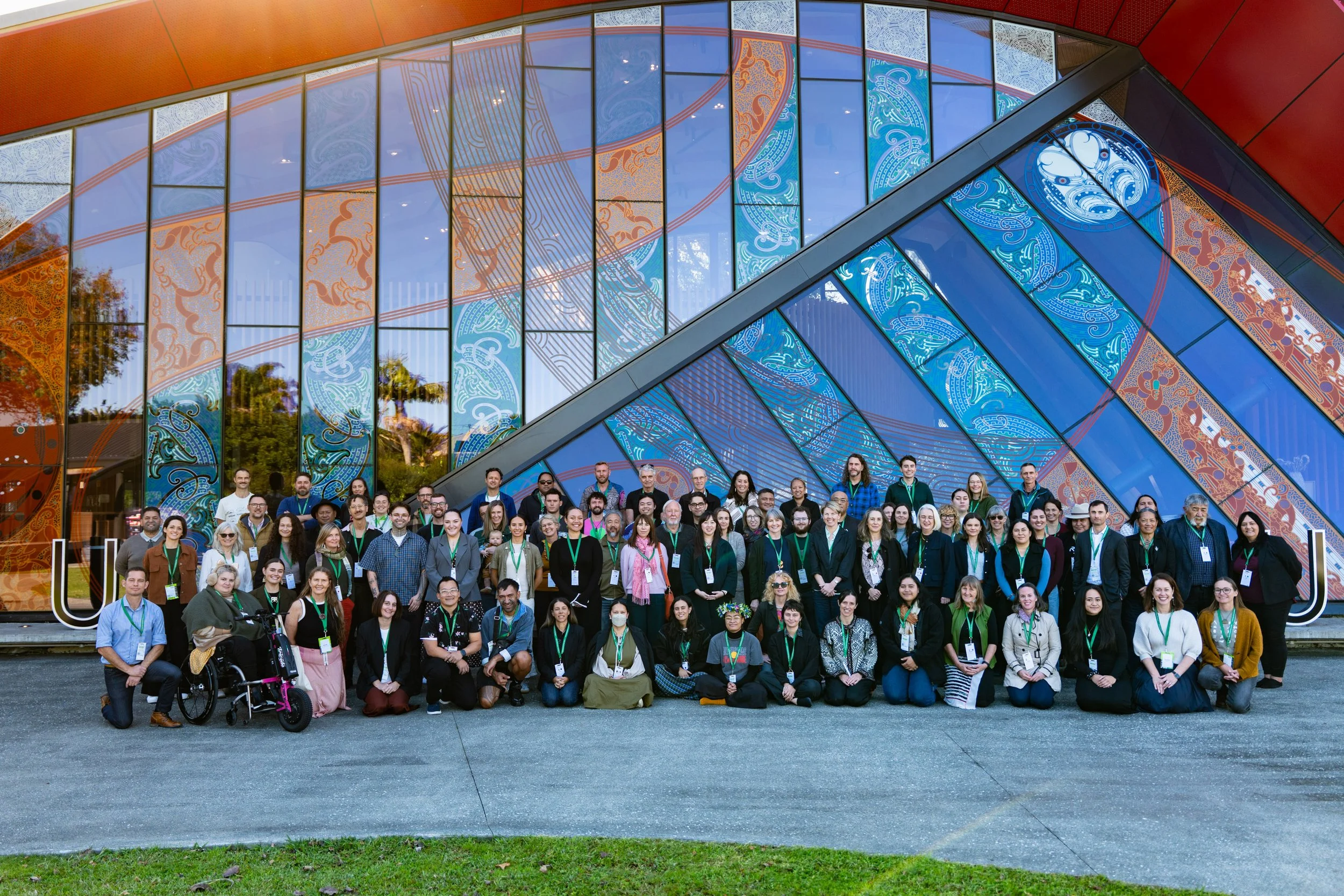
In May 2026, people working across Tāmaki Makaurau gathered for a three-day Climate Future Search Wānanga focused on the future of collective climate action.
Participants were invited across nine voice groups: mana whenua; next generation; advocacy and activism; communities and lived experience; business and industry; funding and finance; communications and storytelling; government; and knowledge holders.
They participated as individuals, bringing their own lived and learned experience rather than speaking on behalf of an organisation or community.
Together, participants explored the forces shaping climate action, strengthened relationships across difference, deepened shared understanding, identified areas of common ground and began imagining possible pathways for collective action.
Why we gathered
Tāmaki Makaurau is facing interconnected climate, environmental and social pressures. Climate leadership across the region is rich and diverse, but the people and organisations carrying this work are also navigating fragmentation, inequitable access to resources, limited capacity and fatigue.
Climate action cannot be separated from the social and economic realities people are living with, including housing pressure, energy insecurity and the unequal effects of climate disruption.
No single organisation, sector or community can meet these challenges alone.
Building on the kaupapa of the Auckland Climate Festival, the wānanga created space to pause, encounter more of the wider system and explore what becomes possible when people with different experiences, responsibilities and forms of knowledge come together in relationship.
The gathering also reflected the cross-sector intent of Te Tāruke-ā-Tāwhiri: Auckland’s Climate Plan. As Dave Watson of Auckland Council observed during the wānanga:
“This is the plan in action.”
What happened
Future Search is a participatory whole-system method that helps people explore the past, understand the present and find common ground from which future action might grow.
Over three days, participants:
Explored the histories and experiences that have shaped climate action in Tāmaki Makaurau
Identified current trends, pressures and sources of possibility
Listened across sectors, generations, communities and knowledge traditions
Imagined possible futures for te taiao and future generations
Identified areas of shared purpose and common ground
Developed early ideas for action pathways and collaboration
Made personal commitments to carry aspects of the kaupapa forward
Built relationships intended to continue beyond the wānanga
The process did not ask participants to erase their differences or reach agreement on every issue. It created space for people to see more of the wider landscape, understand different experiences and identify where enough shared energy existed to continue a conversation.
A glimpse into the three-day gathering: the people who came together, the kōrero that unfolded and the relationships woven across communities, sectors and generations.
What emerged
The wānanga landed differently for different people. It brought connection, hope and clarity for many, while also surfacing exhaustion, grief, overwhelm, tension and important questions about the sustainability of climate work. For some, several of these experiences were present at once.
Participants identified inequitable access to climate-resilience tools and technology as a leading concern. Other prominent themes included the place of mātauranga Māori, the loss of productive land and biodiversity, climate anxiety and mental wellbeing, and the importance of mana motuhake.
Across the different experiences and discussions, several recurring threads emerged:
Relationships and trust are fundamental to collective action.
Leadership and meaningful climate work already exist throughout Tāmaki Makaurau.
Te Tiriti o Waitangi, mana motuhake, intergenerational responsibility and climate justice are foundational considerations.
The experiences and leadership of those most affected must be more meaningfully included.
People need capacity, reciprocity, nourishment and care if this work is to be sustained.
Fragmentation can make it difficult for people to see the wider system or connect related efforts.
Momentum and responsibility sit across the wider collective rather than with any single organisation.
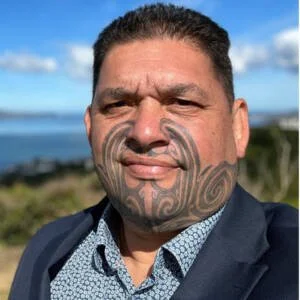
Facilitator Johnnie Freeland described this relational foundation through tātai hononga: the connections linking people, place and te taiao. Seen this way, relationships are not something added to climate action. They are part of how collective responsibility becomes possible.
Areas of Action
On the final day, participants gathered around areas where there appeared to be enough shared energy to continue exploring possibilities together.
These included Pacific climate justice, climate storytelling, inclusive climate action, local resilience, regenerative and distributive economic models, transport, kai systems, reconnection with te taiao and different approaches to governance and decision-making informed by Te Tiriti.
These were early working ideas rather than finalised plans, and they do not constitute a programme owned by Co-Aotearoa. Some conversations have continued independently, while others may evolve or connect with existing work. Their significance lies not only in what they become, but also in the relationships, shared understanding and possibilities they helped bring into view.
Since the wānanga, relationships and conversations have continued across the wider collective. Participants have reconnected, exchanged knowledge and resources, and begun exploring possibilities across different kaupapa.
Co-Aotearoa has also been listening, reviewing what was shared and considering where it can add genuine value without duplicating, centralising or claiming the work of others.
One emerging possibility is a role that strengthens the connective tissue between people, kaupapa and existing work. This could involve helping people see more of the wider system, build relationships across difference and find the knowledge, support and resources needed to act together.
Any such role must be useful, appropriately resourced and collectively informed.
Participants will reconnect in October to share what has emerged since May, continue important conversations and actions and help inform Co-Aotearoa’s next phase.
Continuing the kōrero
Wānanga Steering Group
-
Johnnie Freeland
NGAATI TE ATA WAIOHUA
-
Sterling Ruwhiu
BEAUTIFICATION TRUST
-
Sei Brown
WAIUKU ZERO WASTE
-
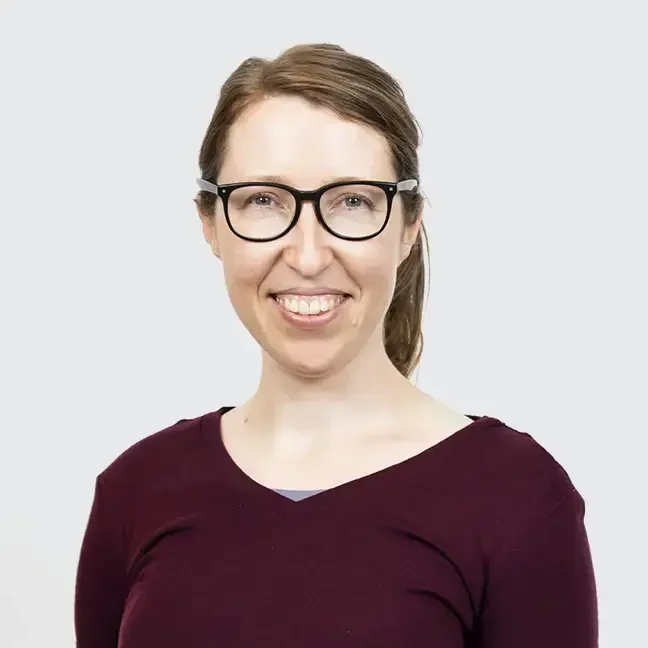
Jay Crangle
SUSTAINABLE BUSINESS COUNCIL
-
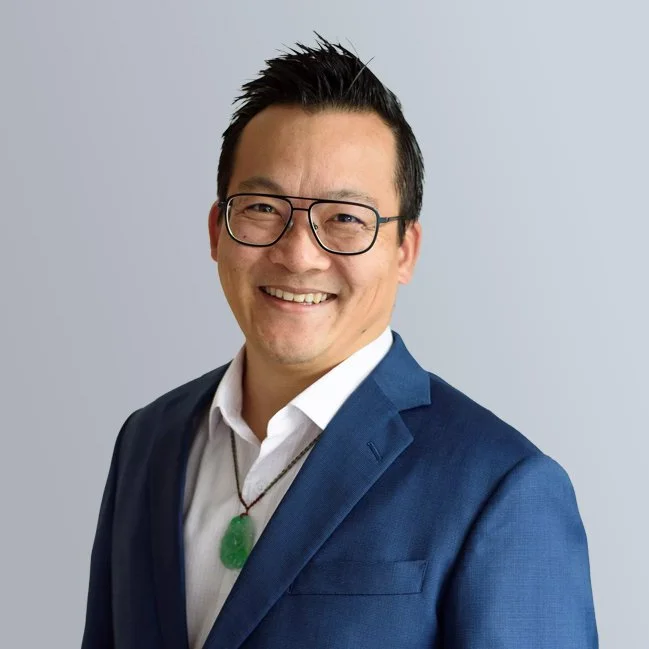
Alec Tang
KPMG
-
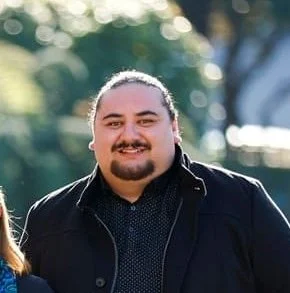
Fredrick Wilson
PARE HAURAKI, PARE WAIKATO, NGĀTI WHĀTUA, MURIWHENUA
-
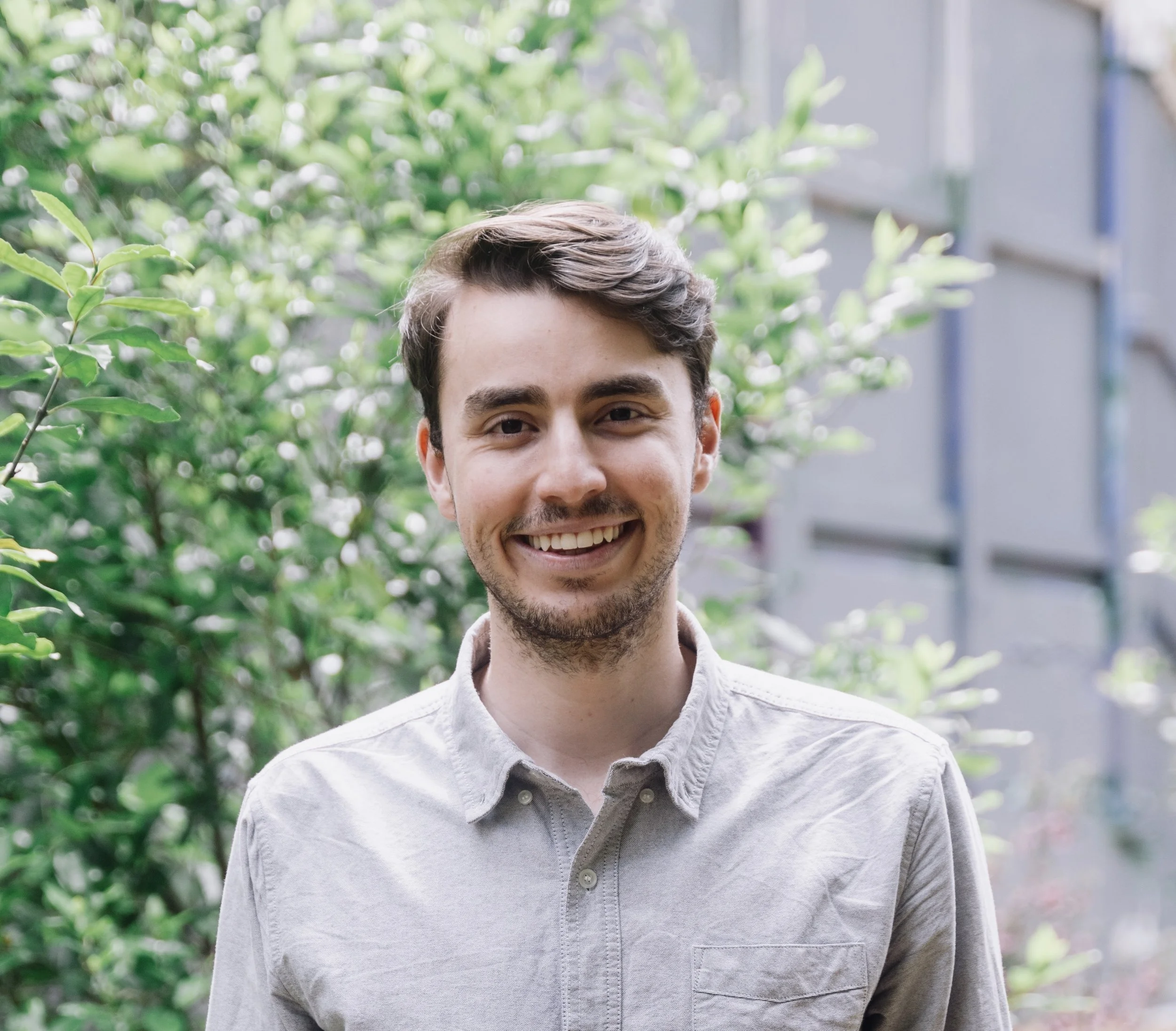
Agustín Soto
YOUTH CLIMATE COLLECTIVE / BECA
-
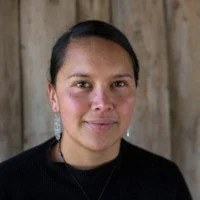
Christina Leef
AUCKLAND COUNCIL
-
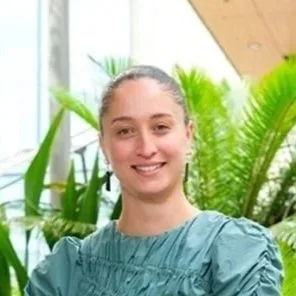
L'Rey Renata
MĀTĀTAHI TAIAO
-
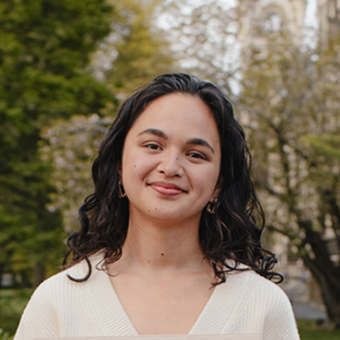
Rāwinia Wikaira
MĀTĀTAHI TAIAO
Facilitators
The wānanga will be guided by trained Future Search facilitators:
Miranda Cassidy-O’Connell
Centre for Social Impact | Pākehā
Johnnie Freeland
Ngaati Te Ata Waiohua, Ngai Tuhoe
Arohanui West
Centre for Social Impact | Tūhourangi Ngāti Wahiao, Ngāti Whakaue, Ngāti Rangiwewehi
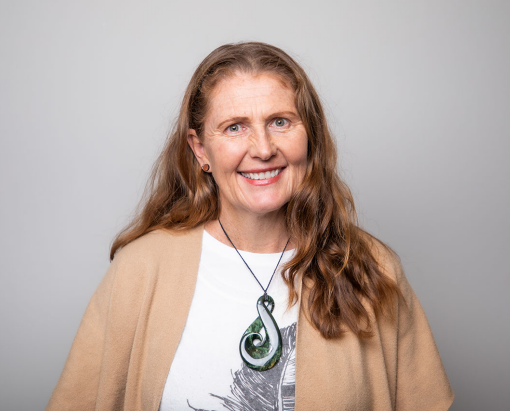
Our thanks
The wānanga was a collective endeavour.
We are deeply grateful to everyone who brought their time, knowledge, lived experience, honesty and trust into the room; to Te Mahurehure Cultural Marae for hosting us; and to the Steering Group, facilitators, partners, funders, performers, documenters, volunteers and wider team whose care and commitment made the gathering possible.
Our responsibility now is to honour what was entrusted to the collective: the kōrero, relationships, ideas, commitments and hopes, and to ensure that what comes next gives back to the people carrying this work.
Support Partners





Delivery Partners
Impact Partners