

Ko Tāua Tāua. Ko Tāmaki Makaurau Tātou.
Together weaving a thriving taiao
Te Mahurehure Cultural Marae
1 - 3 May 2026
You’re invited to a three-day Future Search wānanga for collective climate action in Tāmaki Makaurau
This is a rare, whole-system gathering of people from across Tāmaki Makaurau to explore how we work together for a thriving taiao and future generations.
Over a three-day Future Search, we’ll weave relationships, deepen shared understanding and shape practical pathways for collective climate action grounded in place, partnership and shared responsibility.
About the kaupapa
-
Tāmaki Makaurau is facing intensifying climate impacts alongside widening inequities, shifting political and funding landscapes and increasing pressure on communities and organisations. These challenges are deeply interconnected and no single group can meet them alone.
At the same time, Auckland’s climate action ecosystem is rich, committed and diverse. Many are working hard across sectors and communities, but are feeling fragmentation, strain and fatigue.
This wānanga is an invitation to come together across sectors, generations and knowledge traditions to:
weave a shared picture of the whole climate action system in Tāmaki Makaurau
strengthen relationships and trust across difference
recognise and build on leadership already present
identify practical pathways for shared action that can endure beyond any single project, organisation or political cycle
Building on the kaupapa of the Auckland Climate Festival, this gathering creates space to pause, connect and renew collective direction and energy.
Future Search has been chosen as the convening process because it supports diverse groups to see the whole system, find common ground and co-create shared pathways forward together.
-
This is not a conference. It’s a Future Search wānanga.
Future Search is a globally used, Te Tiriti-grounded action planning process that brings the “whole system into the room.”
Over three days we will:
Build relationships and grounding in place
Develop a shared picture of the past, present and future of climate action in Tāmaki Makaurau
Share perspectives, realities, and knowledge
Identify areas of shared purpose and common ground
Co-create practical pathways of collective action to be taken forward
The process will be guided by experienced Future Search facilitators, weaving in tikanga-led facilitation, participatory methods and systems change practice.
-
Participants will co-create shared action pathways that are jointly owned and carried forward by those in the room.
We intend that the wānanga will contribute to:
A more unified and connected climate ecosystem
Greater collective systems awareness
Practical, shared action commitments
Deepened relationships with mana whenua and place
More equitable participation across sectors
Renewed hope and energy for the mahi ahead
View examples of the outcomes from previous Future Search processes here:
Waiheke Marine Project (2020)
Participants
This wānanga aims to bring a snapshot of the whole system together by gathering a cross-section of voices with a stake in Auckland’s taiao. Around 90 participants will bring the voices of:
Mana whenua & mātauranga Māori
Rangatahi & future generations
Business, industry & infrastructure
Communities & lived experience
Advocacy & activism
Arts, creativity & storytelling
Climate practitioners & knowledge holders
Funding & finance
Local & central government
Participation is by invitation only to help ensure a balanced and diverse snapshot of the whole climate ecosystem is present.
You’ve been invited because you’re actively contributing to climate action in Tāmaki Makaurau and hold relationships, lived experience or leadership that are important to this whole-system picture.
You’re invited as yourself, not as a spokesperson or representative of any particular group or organisation.
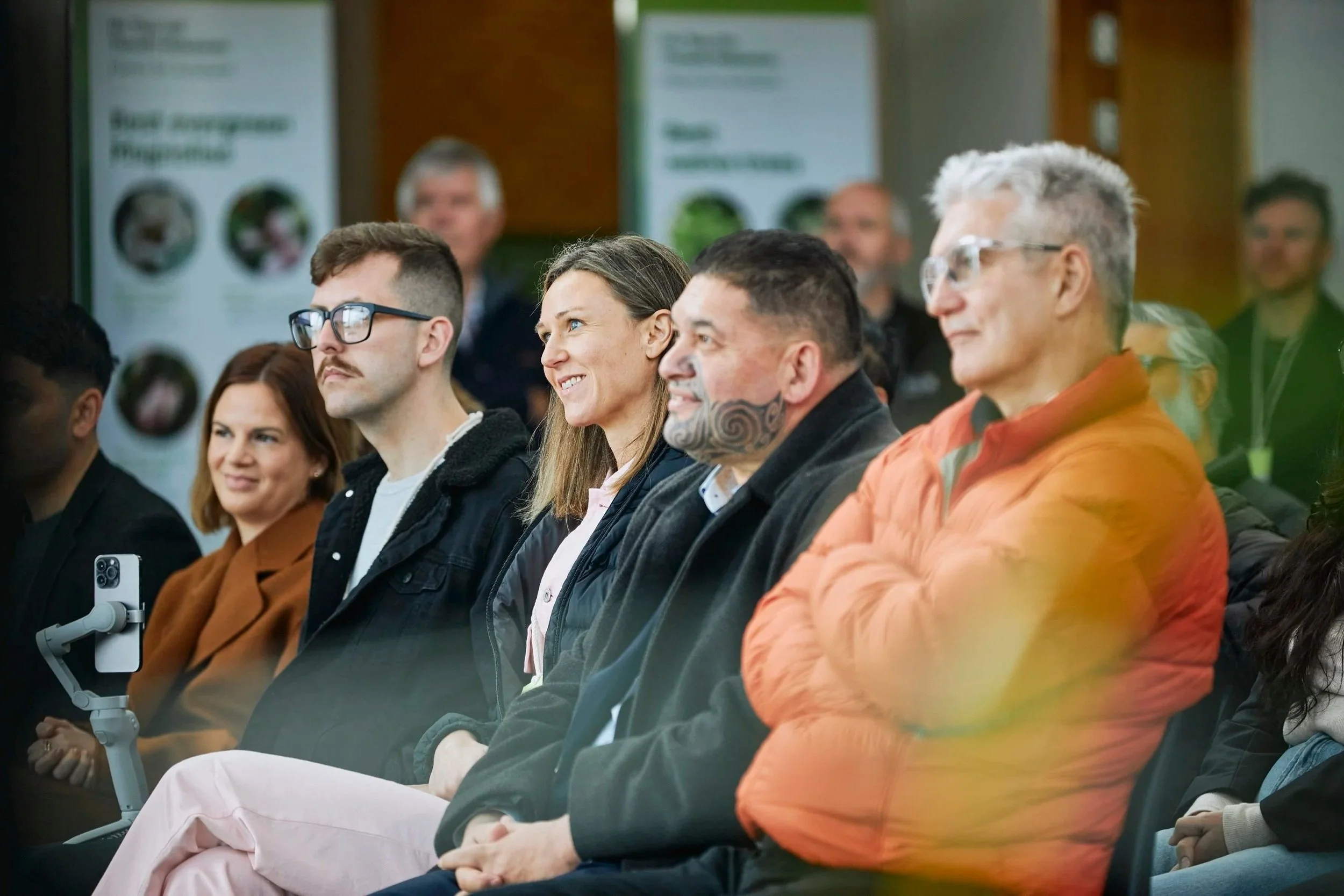
Wānanga hosts
This wānanga is hosted by Co-Aotearoa in partnership with the Centre for Social Impact and held collectively by a diverse Steering Group with support from partners and sponsors across the climate ecosystem.
Co-Aotearoa is a Te Tiriti-led, non-partisan charity that emerged out of the Auckland Climate Festival and works to strengthen regenerative climate action through collaboration across Aotearoa’s climate ecosystem.
Steering Group
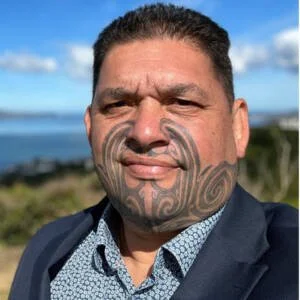
Johnnie Freeland
NGAATI TE ATA WAIOHUA
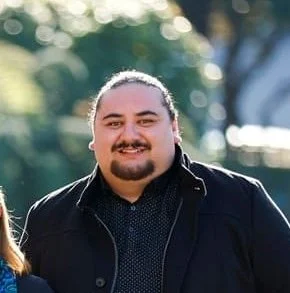
Fredrick Wilson
PARE HAURAKI, PARE WAIKATO, NGĀTI WHĀTUA, MURIWHENUA
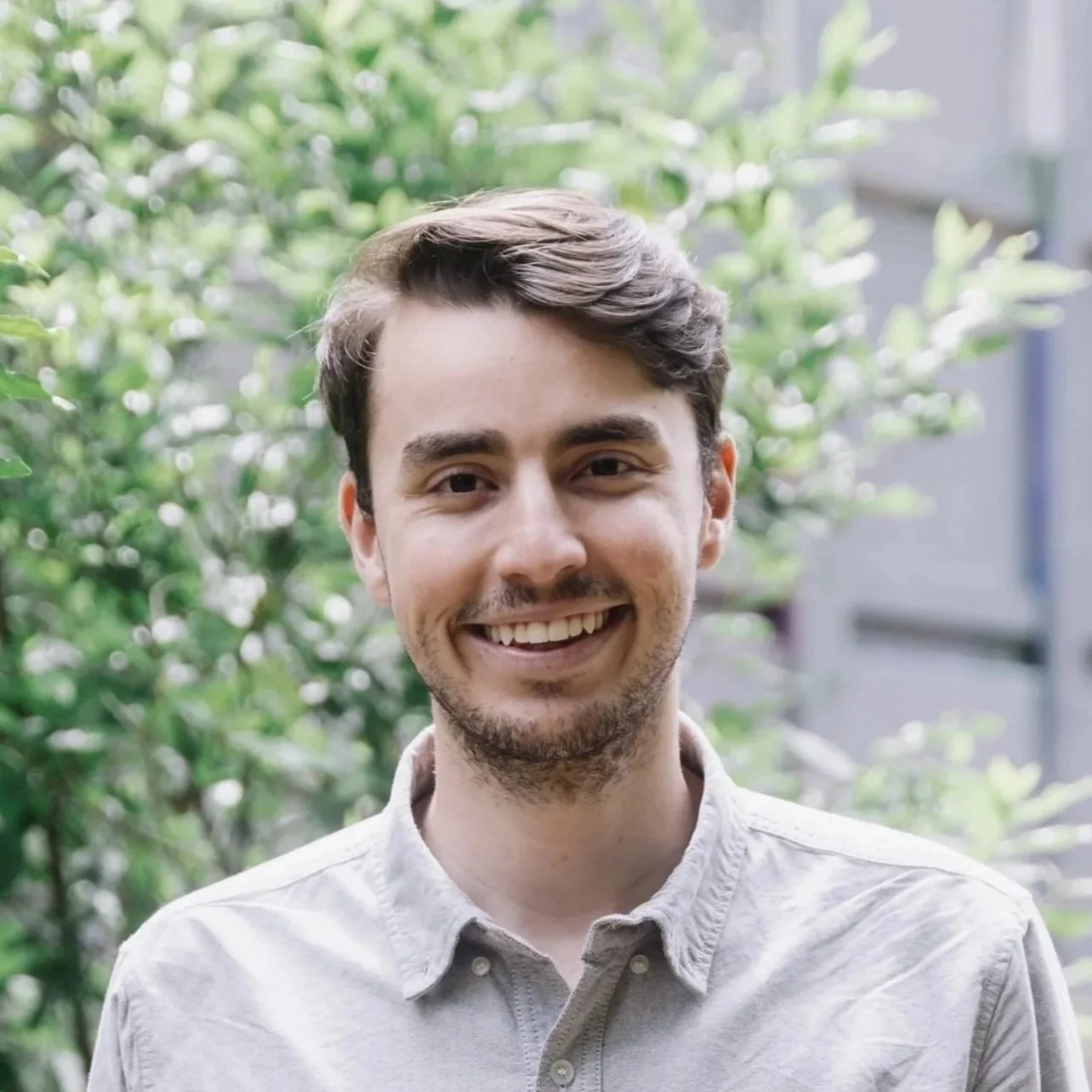
Agustín Soto
YOUTH CLIMATE COLLECTIVE / BECA
Sterling Ruwhiu
BEAUTIFICATION TRUST
Sei Brown
WAIUKU ZERO WASTE
Christina Leef
AUCKLAND COUNCIL

Jay Crangle
SUSTAINABLE BUSINESS COUNCIL
L’Rey Renata
MĀTĀTAHI TAIAO
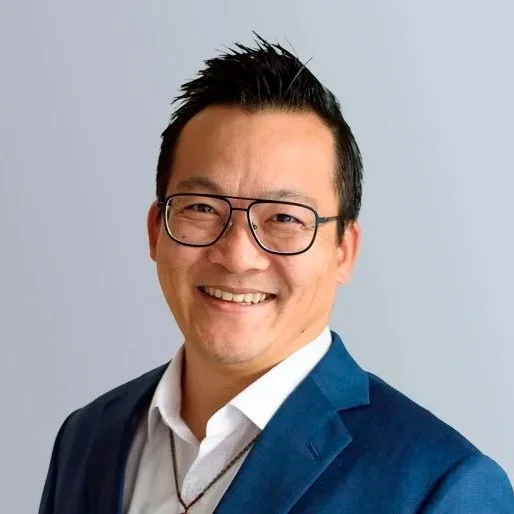
Alec Tang
KPMG
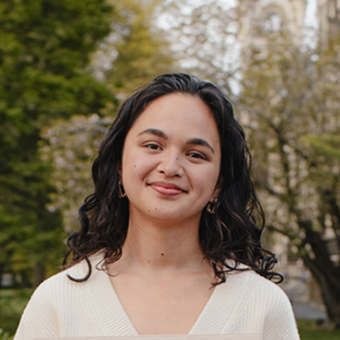
Rāwinia Wikaira
MĀTĀTAHI TAIAO
Partners
DELIVERY PARTNER

IMPACT PARTNERS




SUPPORT PARTNERS


If your organisation would like to become a wānanga partner, download the Partnership Pack and contact kiaora@co-aotearoa.org.
Event information
Dates
1 - 3 May 2026
Rāmere Ōturu, Rāhoroi Rākaunui, Rātapu Rākaumatohi in the maramataka. These are high-energy days well suited to reflection, connection and planning.

Location
Te Mahurehure Cultural Marae
65/73 Premier Avenue, Point Chevalier, Auckland
Note: The Save the Date listed Ōrākei Marae. Since then, in partnership with mana whenua and the Steering Group, we’ve confirmed Te Mahurehure Cultural Marae as the most appropriate venue for this wānanga. We’re grateful for their hosting and look forward to gathering there.

Timings
Day 1
9.30am - 6.00pm (registration from 8.30am)Day 2
9.00am - 5.00pm (optional social drinks until 6.30pm)Day 3
9.00am - 3.30pm

Attendance
Full participation across all three days is essential. Participation is by invitation only to ensure the whole system is in the room with a balance of perspectives.

Logistics & access
There is no cost to attend.
If travel, childcare, accommodation, accessibility needs or lost income would create a financial barrier to your participation, you’ll be invited to indicate this when registering. We’re actively fundraising to offer as much financial support as we can to enable participation.
Read more about our approach to equity & reciprocity here.
-
Te Mahurehure Cultural Marae65/73 Premier Avenue, Point Chevalier, Auckland
The marae is located down a driveway and not visible from the street. Please make your way down the driveway and meet at the registration table outside the first building.
Shuttle bus from/to Waitematā Station (Britomart). Book your spot here.
Carpooling can be self-organised here
Bike racks available onsite
Street parking available (please do not drive onto the marae grounds)
-
Koha for the marae
Comfortable clothing
Warm layer / raincoat (for pōwhiri if needed)
A small taonga or object that represents your connection to climate action which you’ll be invited to share as you introduce yourself
Optional: A musical instrument for a creative session on day 2
-
We are committed to creating a space where you feel able to participate fully.
The venue has:
Wheelchair accessible spaces
Accessible and gender-neutral bathrooms
Air ventilation
Quiet spaces
If there are ways we can support your presence, whether practical, relational or accessibility-related, please reach out.
-
Morning tea, lunch and afternoon tea provided each day
Evening drinks and nibbles provided on the evening of day 2
All catering will be vegetarian and vegan by default to reduce the event’s environmental impact.
-
When registering you’ll also be invited to indicate your interest in:
Overnight, marae-style accommodation at the venue
A shuttle bus to and from the venue
Onsite childcare at the venue
These options will be offered if there is participant need and funding support.
-
We recognise wellbeing as holistic - encompassing tinana (physical), hinengaro (mental/emotional), whānau (relational), and wairua (spiritual).
To support a safe and nourishing environment for everyone:
Please contact us if you’re feeling unwell or you’ve been in contact with someone who is sick so we can make arrangements to protect the wellbeing of others
Maintain good hygiene (handwashing, face masks and sanitiser available)
Respect different comfort levels around space and contact
Take care of yourself - rest, hydrate and listen to your needs
If you need support at any point, please reach out to one of the event team. We’re here to help.
Ahead of the wānanga, participants are warmly invited to take part in an optional Haumanu journey.
Haumanu is an approach to restorative systems change developed by the Centre for Social Impact. It supports people to strengthen connection - to ourselves, to one another and to te taiao - so we can arrive at the wānanga grounded, resourced and ready to collaborate well.
The Haumanu journey creates space to:
Connect with yourself, one another and te taiao
Notice how your inner state shapes how you lead and collaborate
Strengthen trust across difference
Build simple practices that support resilience and ease in your everyday life and mahi
You’re welcome to take part in as much or as little as suits you. We recommend attending at least one session from each part if you can.
Part 1: Online introduction (75 min)
A gentle introduction to the approach including connection, nervous system awareness and shared language for the wānanga. Choose one session:
9 April, 4.30 - 5.45pm
10 April, 12.00 - 1.15pm
Part 2: Haumanu in te taiao (3 hrs)
A deeper, place-based experience to support you to feel grounded, connected and resourced. Choose one or both options:
In-person: 15 Apr, 1-4pm (Parnell Rose Gardens)
Virtual: 19 Apr, 1-4pm (join from your own outdoor space)
You’ll be invited to book your Haumanu sessions after registering for the wānanga.
Haumanu preparation sessions
Future Search Facilitators
The wānanga will be guided by trained Future Search facilitators, each bringing an important lens.
Johnnie Freeland
TANGATA WHENUA CO-FACILITATOR
Ngaati Te Ata Waiohua, Ngai Tuhoe
-
Johnnie is a Future Search facilitator who brings a tangata whenua perspective to collaborative processes that bring diverse voices together. His approach to facilitation is grounded in values of rangatiratanga, manaakitanga, whanaungatanga, and pukengatanga and creating spaces where people can listen, learn and work toward shared understanding. Johnnie is a wayfinder, systems navigator and whakapapa centred designer. He brings together more than 30 years’ knowledge and lived experience of serving community and in guiding and navigating a range of Iwi, Maaori community and public sector organisations in working to achieve better outcomes with people, place and nature. He is particularly interested in approaches that enable people to explore common ground while recognising the histories, perspectives and responsibilities that shape how we move forward together.
Miranda Cassidy-O’Connell
TANGATA TIRITI CO-FACILITATOR
Pākehā
-
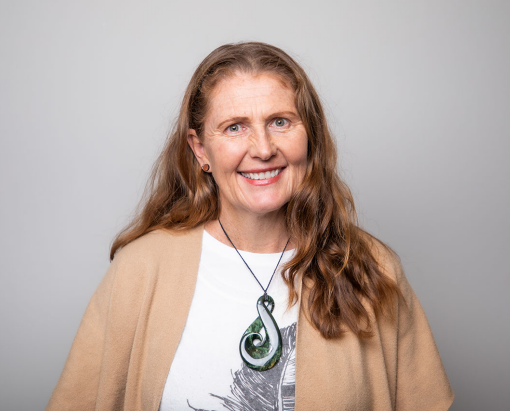
As an Associate for the Centre for Social Impact, Miranda has extensive experience in creating conditions that enable diverse voices to reach common ground. She is a Future Search facilitator and globally certified Trainer of Future Search. Over 30 years, she has worked with multiple sectors and interests, spanning policy, project management, collaboration training, facilitation, and large group strategic planning. She holds a BA (Sociology), a MSc (Hons) in Resource Management and qualifications in neurolinguistic programming and regenerative development. She has a deep respect for the power of indigeneity and aims to continually learn ways of enabling and inspiring people to work together to build a sustainable society.
Arohanui West
RANGATAHI CO-FACILITATOR
Tūhourangi Ngāti Wahiao, Ngāti Whakaue,
Ngāti Rangiwewehi
-
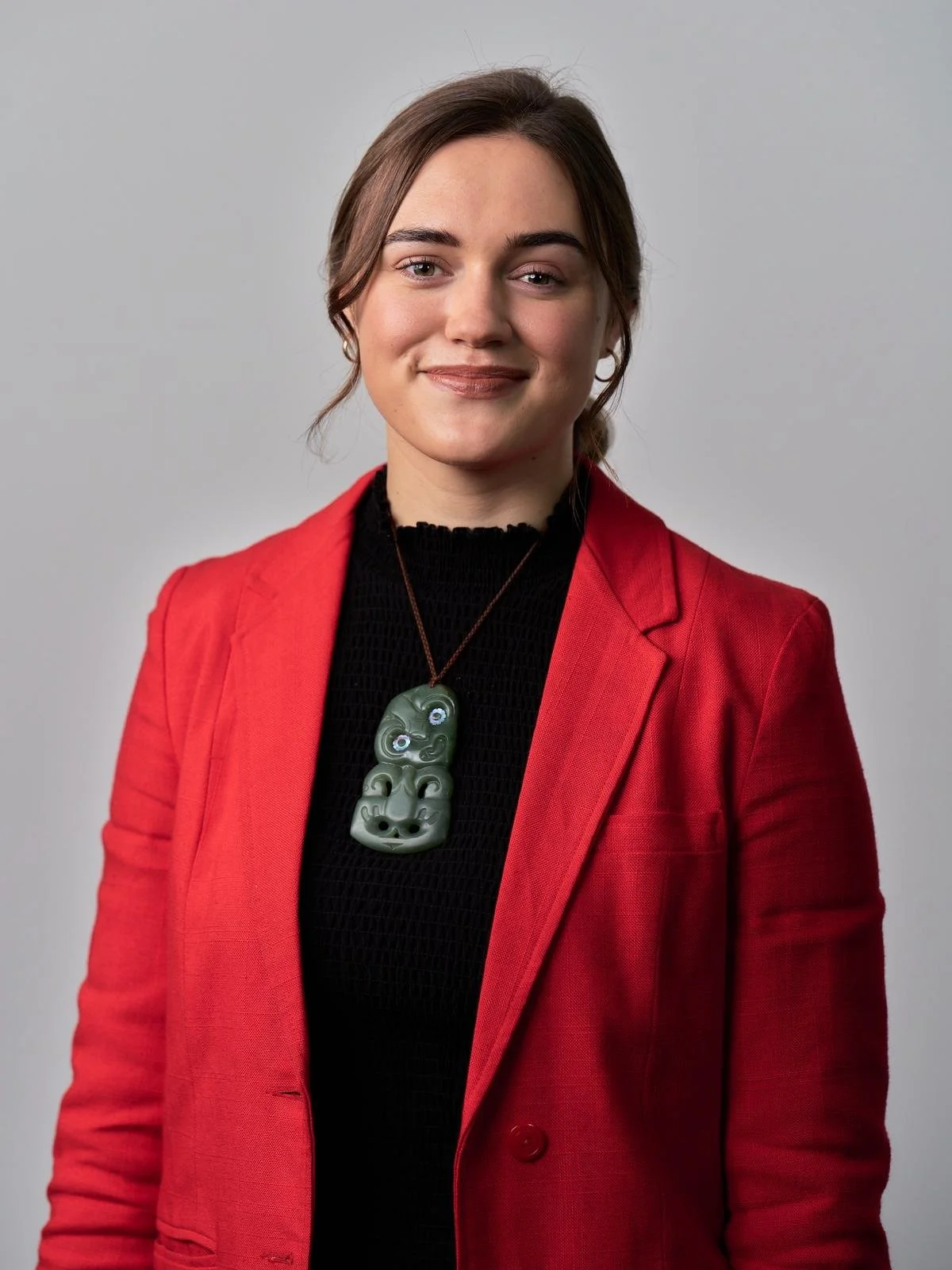
Arohanui is a trained Future Search facilitator with expertise in waste minimisation, marketing, communications, climate education and advocacy. She has worked for, and alongside, government, not-for-profits, iwi, public sector, community trusts and philanthropic groups. Arohanui is an associate with Centre for Social Impact, kaimahi at Para Kore Aotearoa and Climate Co-Lead for the Funders Commitment on Climate Action. She is passionate about regenerative and circular systems and transformative change.
Accept invitation & register
If you’ve personally received an invitation to the wānanga, please complete the registration form by 7 April 2026.
Once registered, you will:
Receive a calendar invitation
Be invited to book your Haumanu sessions
Gain access to a private participant page to see who else is attending
For any enquiries or support to register contact
kiaora@co-aotearoa.org.
FAQs
-
To ensure a balanced mix of voices, perspectives and lived experiences. The Future Search process requires diversity across age, identity, role, sector, whakapapa and connection to place.
-
No. Invitations are extended to individuals for the unique perspectives and relationships they hold. If you’d like to suggest someone else, please email lydia@co-aotearoa.org.
-
Yes. The Future Search process is designed for all participants to be present for the entire three days. If you can’t make the entirety of 1-3 May, unfortunately we‘ll need to make your spot available to someone else.
-
No, there is no fee to attend the wānanga thanks to the support of our funders. If you will incur additional costs to attend the wānanga that would prohibit you from joining (e.g. travel, childcare, accessibility) please contact lydia@co-aotearoa.org to discuss possibilities for support.
-
This is a participatory event. You’re invited to bring your perspectives, your knowledge and your community and whakapapa connections into the room. There will be no guest speakers, no slide shows, no ‘audience’. This will be three days of wānanga, sharing, reflecting, dreaming and co-creating in smaller and larger groups with plenty of time to connect (or have some alone time) in the breaks.
-
Future Search is a participatory process used globally to bring a snapshot of a whole system into the room to build common ground and co-create action plans. It emphasises collaboration, relationship and shared responsibility.
Find out more here.
-
The Future Search process deliberately centres relational safety, tikanga, and mana-enhancing practices so participants can listen and work across difference with care. It’s important to us that you’re able to participate as fully and easefully as possible. You can read more about our approach to equity and reciprocity here. Please share any specific accessibility and inclusion needs with our Project Lead, Lydia Hascott, at lydia@co-aotearoa.org.
-
After the event, a video and written report will be created and shared publicly. Any photography, filming or storytelling at the wānanga will be consent-based and mana-enhancing. Clear permissions will be gathered during registration, and participants may opt out.
-
The wānanga will take place at Te Mahurehure Cultural Marae. We will be welcomed onto the marae with a pōwhiri on the morning of day 1.
As part of this process, guests are invited (optional) to bring cash koha, which will be presented to our hosts during the pōwhiri. Koha is a gesture of reciprocity and appreciation. Please contribute what feels appropriate and within your means.
Below is a guide to the pōwhiri process.
Pōwhiri | Welcome
A pōwhiri is a Māori welcoming ceremony, involving karanga | welcoming call, whaikōrero | speeches, waiata | songs and kai | food. It involves two groups, haukainga | home people and manuwhiri | visitors.
Process
Te Taenga (Arrival)
On arrival, manuwhiri meet outside the entrance. They prepare themselves for entry, by confirming speakers and organising koha. When the manuwhiri are ready they proceed with the women in front and men at the back, to the entry point which indicates to the haukainga they are ready to be received.
Karanga (Call)
The karanga is the first voice to be heard in pōwhiri. The karanga is initiated by the haukainga and the manuwhiri respond with their own karanga.
Whaikōrero (Speeches)
The purpose of the whaikōrero is to acknowledge and weave together the past, present and future, by acknowledging the creator, guardians, the hunga mate (the dead), the hunga ora (the living - those present at the pōwhiri) and laying down the take or kaupapa (the reason) for the pōwhiri or event that will take place.
Waiata (Song)
The purpose of the waiata is to compliment what has been said, the occasion surrounding the pōwhiri and where appropriate acknowledge the speaker’s whakapapa (genealogy) or the group itself. The waiata also shows support toward the speaker and what he has said.
Hongi (Traditional Form of Greeting)
The hongi is the first physical contact between the two groups. It is not the widely popularised “Rubbing of Noses” but the gentle pressing of nose and forehead. Nowadays the hongi is accompanied with a firm handshake.
Kai (Food)
The sharing of food is an important part of the process as it brings people together and it brings everyone back into the realm of normality.